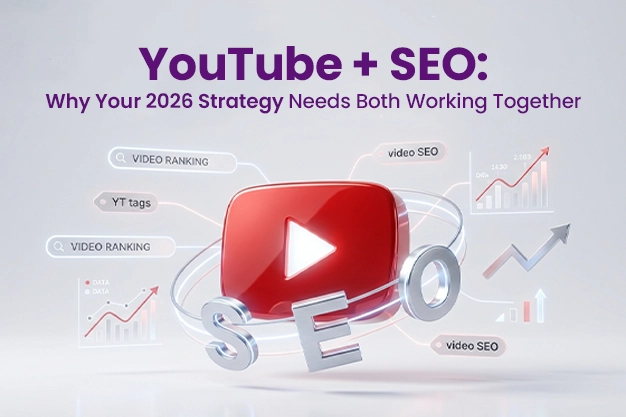
Google’s 2026 Algorithm is reshaping how businesses approach search visibility, demanding continuous optimization and stronger authority signals.
The digital marketing world is experiencing its most significant transformation in over a decade. Google’s approach to search rankings has fundamentally evolved, moving away from periodic, named updates to a continuous optimization model that demands constant vigilance from businesses and marketers alike.
The End of the Update Era
Google officially confirmed in early January 2026 that significant algorithm updates now occur continuously without formal announcements. This represents a seismic shift from the named updates that defined the 2010s—updates like “Penguin” and “Panda” that sent shockwaves through the SEO community with each release.
According to Search Engine Roundtable, this continuous update model creates an entirely new paradigm for digital marketers. Rankings can now fluctuate daily based on evolving content quality signals, making real-time monitoring tools essential rather than optional. The traditional approach of reacting to major updates and implementing recovery strategies has become obsolete. Success now requires maintaining consistent quality and staying perpetually aligned with Google’s evolving standards.
What This Means for Your Business
The implications are clear: businesses must shift from a reactive to a proactive SEO strategy. Daily monitoring, continuous content optimization, and maintaining technical excellence are no longer competitive advantages—they’re baseline requirements for visibility in search results.
The Rise of Personal Authority and Authentic Expertise
Perhaps the most transformative development in Google’s January 2026 update is the dramatic elevation of personal brand signals and author authority. Indie Hackers reports that content from recognized experts and individuals with established online presence now significantly outranks generic corporate content, even from larger organizations.
Understanding E-E-A-T in 2026
Google’s E-E-A-T framework (Experience, Expertise, Authoritativeness, Trustworthiness) has evolved from a guideline to a ranking imperative. The algorithm now actively rewards content that demonstrates real-world experience and verifiable expertise.
Key Ranking Factors in the New Authority Model:
| Factor | Impact Level | Implementation Priority |
|---|---|---|
| Branded Search Volume | High | Critical |
| Author Credentials & Bylines | High | Critical |
| Verified Expert Status | Medium-High | Important |
| Personal Brand Visibility | Medium-High | Important |
| Industry Recognition | Medium | Moderate |
| Social Proof & Mentions | Medium | Moderate |
Building Authority in 2026
The new algorithm rewards businesses and individuals who invest in genuine expertise and visibility. Here’s what’s working:
Personal Brand Development: Experts who appear on podcasts, speak at industry events, and contribute guest articles to respected publications are seeing substantial ranking improvements. The algorithm recognizes these authority signals and rewards them with improved visibility.
Encouraging Brand Searches: When people specifically search for your name or business (rather than finding you through generic queries), Google interprets this as a strong authority signal. This branded search volume now significantly impacts your overall rankings across all queries.
Structured Data Implementation: Properly implementing schema markup for author credentials, professional affiliations, and expertise areas helps Google understand and verify your authority in specific domains.
Demonstrating Real Experience: Content that showcases actual experience—case studies, original research, unique insights from practice—outperforms generic informational content compiled from secondary sources.
Expert Partnerships: Collaborating with recognized industry experts and featuring their contributions can enhance your site’s overall authority profile.
Technical Excellence: The New Baseline
Flewny’s analysis reveals that Google’s January update places unprecedented weight on website architecture and technical performance. Sites failing to meet technical standards are experiencing ranking drops regardless of content quality—a clear indication that technical SEO has moved from supporting role to starring character.
Critical Technical Requirements
Site Architecture Standards:
| Requirement | Benchmark | Business Impact |
|---|---|---|
| 3-Click Rule | All key content accessible within 3 clicks | High – Affects crawlability and user experience |
| Interaction to Next Paint (INP) | Under 200 milliseconds | Critical – Direct ranking factor |
| Hub-and-Spoke Structure | Clear topic clusters with hierarchy | High – Improves topical authority |
| Core Web Vitals (LCP) | Under 2.5 seconds | Critical – User experience ranking signal |
| Core Web Vitals (CLS) | Under 0.1 | Critical – Visual stability metric |
| Mobile-First Performance | Mobile score equal or better than desktop | Critical – Primary indexing method |
The Three-Click Rule Revolution
Google now strongly favors websites where users can access any important content within three clicks from the homepage. This architectural requirement forces businesses to reconsider their site structures, eliminating deep navigation hierarchies that bury valuable content.
Interaction to Next Paint (INP)
INP has emerged as a critical performance metric, measuring the time between a user interaction and the next visual update. Sites must maintain INP under 200 milliseconds to avoid ranking penalties. This requires careful attention to JavaScript optimization, server response times, and resource loading strategies.
Hub-and-Spoke Content Architecture
The algorithm now rewards clear topical organization through hub-and-spoke (or pillar-cluster) content structures. This approach involves creating comprehensive “pillar” pages on broad topics, supported by detailed “cluster” pages covering specific subtopics, all interconnected through strategic internal linking.
Adapting Your Strategy for Continuous Updates
Success in the new SEO landscape requires a fundamental shift in approach:
- Continuous Monitoring: Implement real-time ranking and traffic monitoring to identify fluctuations as they occur rather than waiting for monthly reports.
- Quality-First Content: Focus on creating genuinely valuable, experience-based content rather than optimizing for specific keywords or following formulaic approaches.
- Technical Investment: Allocate resources to ongoing technical optimization, treating Core Web Vitals and site architecture as ongoing priorities rather than one-time projects.
- Authority Building: Invest in building personal and brand authority through genuine expertise demonstration, industry participation, and community engagement.
- Agile Response: Develop processes for quickly identifying and responding to ranking changes without panic or overreaction.
The Path Forward
Google’s continuous update model and emphasis on authenticity, expertise, and technical excellence represent a maturation of search technology. The algorithm is becoming increasingly sophisticated at identifying genuinely valuable content from recognized authorities delivered through well-architected, performant websites.
For businesses, this evolution demands investment in genuine expertise, technical excellence, and authentic authority building. The era of quick SEO tricks and algorithmic manipulation is definitively over. Success now belongs to those who commit to creating exceptional user experiences backed by real expertise and delivered through technically excellent platforms.
The businesses that thrive in this new landscape will be those that embrace these changes not as burdens but as opportunities to differentiate through quality, expertise, and genuine value creation.
Ready to navigate the new SEO landscape and position your business for success in 2026 and beyond?
Get in Touch:
Phone: +91 90203 24686
Email: mail@voilawex.com
Website: www.voilawex.com
Empowering Businesses Through Digital Innovation