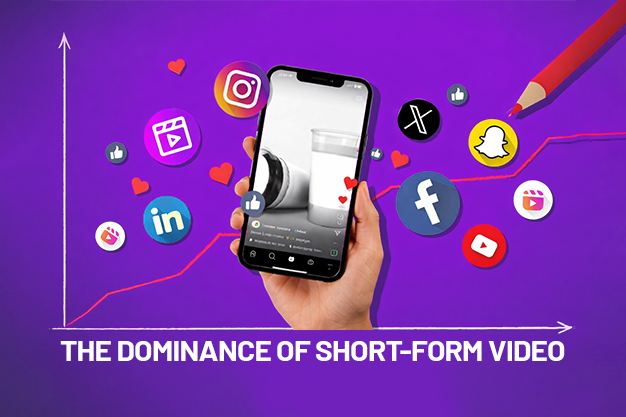
The digital landscape has witnessed a seismic shift in how brands communicate with their audiences. Static posters and image-based content, once the cornerstones of social media marketing, are rapidly giving way to short-form videos. Platforms like Instagram Reels, YouTube Shorts, and TikTok have fundamentally transformed brand storytelling, making motion content not just preferable but essential for digital marketing success.
The Algorithm Advantage
Social media platforms have made their preference clear: video content receives significantly more visibility than static images. Instagram’s algorithm, for instance, prioritizes Reels in user feeds and explore pages, often delivering 2–3x more reach than traditional posts. This algorithmic favoritism means that brands investing in motion content automatically gain a competitive edge in visibility and discoverability.
YouTube Shorts and TikTok follow similar patterns, pushing video content to users who have never encountered your brand before. For businesses looking to expand their reach organically, short-form video isn’t optional—it’s the golden ticket to algorithm-driven growth.
Capturing the Shrinking Attention Span
Modern consumers scroll through hundreds of pieces of content daily, with attention spans dropping to mere seconds. Motion content has an inherent advantage here. A moving image immediately captures the eye in a way static posts cannot. The first second of movement can stop a scroll, and the next few seconds can deliver your message before the viewer moves on.
Short-form videos condense brand messages into digestible, entertaining formats that respect the viewer’s time while maximizing engagement. What might require multiple static posts to communicate can be conveyed in a single 15–30 second video, complete with context, emotion, and call-to-action.
Emotional Connection Through Movement
Video content engages multiple senses simultaneously—visual movement, sound, music, and text work together to create immersive experiences. This multisensory engagement triggers stronger emotional responses than static images alone. Brands can showcase personality, demonstrate product usage in real-time, and build authentic connections through motion.
A static image of a product tells viewers what it looks like; a video shows how it works, how it makes people feel, and why they need it. This emotional resonance translates directly into higher engagement rates, with videos consistently outperforming static content in likes, shares, and comments.
Versatility and Storytelling Potential
Short-form video offers unparalleled creative versatility. Brands can leverage various formats—tutorials, behind-the-scenes glimpses, user-generated content, trending challenges, or product demonstrations—all within the same platform. This flexibility allows for dynamic storytelling that keeps audiences engaged and coming back for more.
Motion content also enables brands to ride trending audio, participate in viral challenges, and showcase brand personality in ways that static posts simply cannot match. This cultural relevance keeps brands feeling fresh and connected to their audience’s interests.
Higher Conversion Rates
The ultimate measure of marketing success is conversion, and video content consistently delivers superior results. Studies indicate that consumers are significantly more likely to make purchase decisions after watching product videos compared to viewing static images. The combination of visual demonstration, social proof, and engaging storytelling creates a powerful conversion funnel.
For e-commerce brands especially, showing products in motion—demonstrating features, showing scale, revealing textures—reduces uncertainty and builds buyer confidence more effectively than any number of static images.
The VOILA Perspective
At VOILA, we’ve witnessed firsthand how brands that embrace short-form video content achieve remarkable growth in engagement, reach, and conversions. The shift toward motion content isn’t a passing trend—it’s a fundamental evolution in how digital audiences consume and interact with brand messages.
The question for businesses today isn’t whether to adopt short-form video content, but how quickly they can integrate it into their digital strategy. As platforms continue to prioritize motion content and audiences increasingly expect dynamic, engaging experiences, static content alone simply cannot compete.
The future of brand storytelling is moving, vibrant, and brief. Brands that adapt to this reality will thrive in the attention economy, while those clinging to static-only strategies risk becoming invisible in an increasingly video-first digital world.